





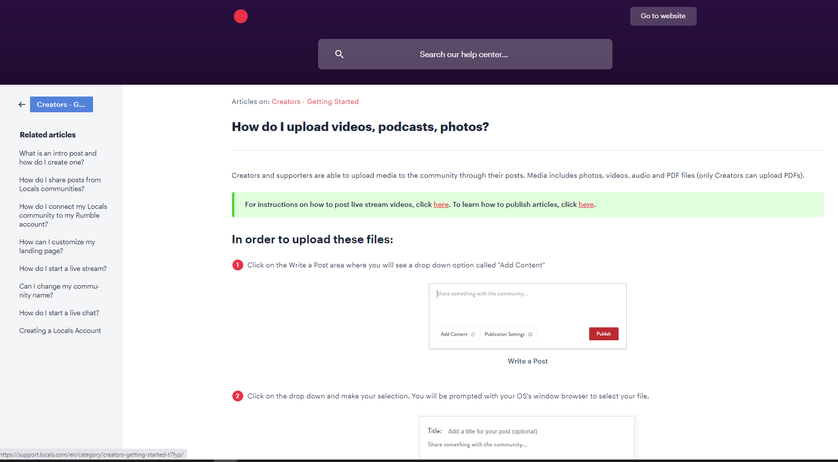
How to Use Locals Frequently Asked Questions and Help Topics:
https://support.locals.com/en/article/how-do-i-upload-videos-podcasts-photos-r49es4/
If you need more help contact LOCALS Support at:


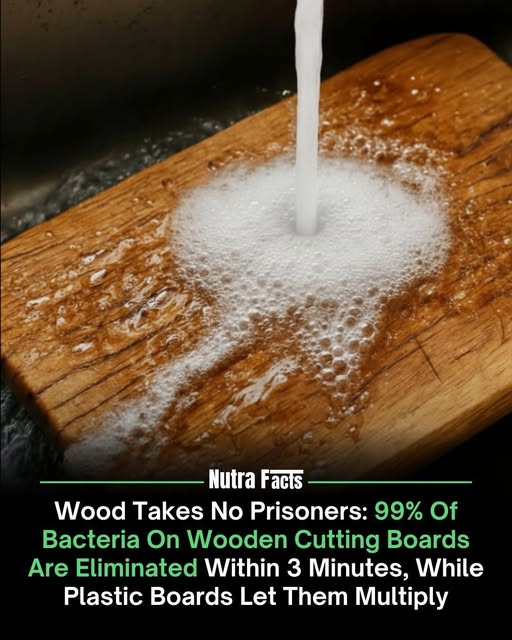
When it comes to kitchen hygiene, wooden cutting boards are surprisingly effective at killing bacteria. Studies show that a staggering 99% of bacteria on wooden boards are wiped out within just three minutes, making them far more sanitary than plastic alternatives. On plastic boards, bacteria tend to survive and multiply, increasing the risk of cross-contamination in the kitchen.
The natural properties of wood make this possible. Wood is porous and contains antimicrobial compounds that actively disrupt bacterial growth. Its fibrous surface traps and absorbs bacteria, where they die off quickly due to the wood’s chemical properties and natural drying process. This contrasts sharply with plastic, which allows bacteria to remain on the surface and proliferate over time.
Choosing wooden cutting boards not only improves food safety but also provides durability and a natural aesthetic for your kitchen. Regular maintenance, such as thorough washing and occasional oiling, ensures longevity and continued antibacterial performance.
This research challenges the common perception that plastic boards are more hygienic, highlighting how traditional materials can outperform modern alternatives in certain areas. For safer food preparation, wooden boards are an effective, natural choice for reducing exposure to harmful bacteria.
Sources:
Journal of Applied Microbiology. (2022). Antimicrobial properties of wooden cutting boards.
International Journal of Food Microbiology. (2021). Comparison of bacterial survival on wood and plastic surfaces
SANTASURFING - BEACH BROADCAST PODCAST
4/4/2026 - JD & Rubio Moves sets precedent! Trump Comms & Team named names! Iran updates!
ARTICLE WITH VIDEO LINKS:
https://www.beachbroadcastnews.com/post/4-4-2026-jd-rubio-moves-sets-precedent-trump-comms-team-named-names-iran-updates
YOUTUBE PODCAST:
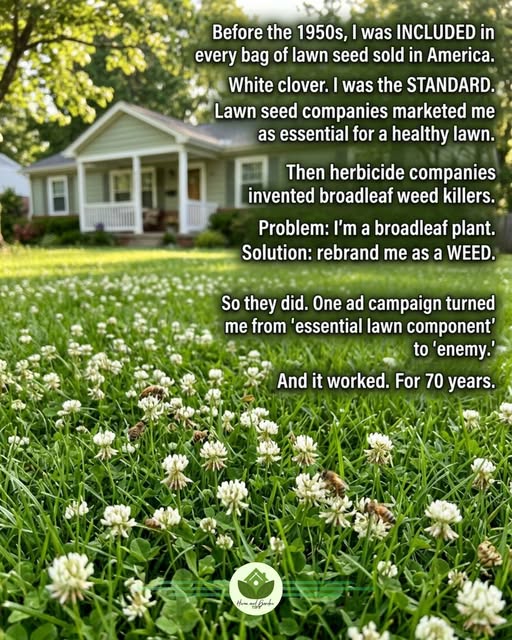
White clover used to be in EVERY lawn seed mix in America.
It was considered essential for a healthy lawn.
Until herbicide companies decided it was a weed.
→ Pre-1950s: clover was a STANDARD ingredient in lawn seed blends
→ Seed catalogs ADVERTISED clover as a sign of a quality lawn
→ Clover fixes nitrogen (free fertilizer!)
→ Clover stays green during drought (deeper roots)
→ Clover feeds bees (first and last nectar source in spring/fall)
→ Clover chokes out actual weeds
What happened:
→ 1950s: 2,4-D (broadleaf herbicide) was introduced
→ Problem: 2,4-D kills clover (it's a broadleaf)
→ If clover is "good," you can't sell broadleaf herbicides to lawn owners
→ Solution: rebrand clover as a WEED
→ Marketing campaigns shifted perception within ONE generation
→ By 1970, clover was "the enemy" of a perfect lawn
→ Lawn care companies have made BILLIONS selling chemicals to kill something that helps lawns for free
The RETURN of clover:
→ "Clover lawns" are surging in ...
How to Use Locals Frequently Asked Questions and Help Topics:
https://support.locals.com/en/article/how-do-i-upload-videos-podcasts-photos-r49es4/
If you need more help contact LOCALS Support at: