







How to Use Locals Frequently Asked Questions and Help Topics:
https://support.locals.com/en/article/how-do-i-upload-videos-podcasts-photos-r49es4/
If you need more help contact LOCALS Support at:


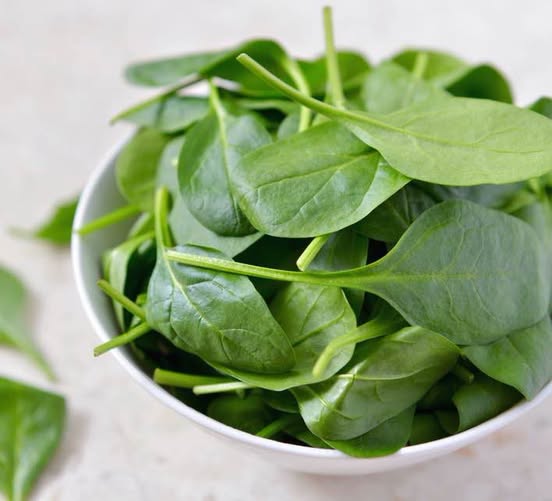
Spinach contains about 0.75 grams (750 milligrams) of oxalate per 3.5 ounces. Anyone who has had a kidney stone is often advised to keep their total daily oxalate intake under about 0.05 grams (50 milligrams).
Oxalate binds calcium and drops out of solution as a crystal. The crystal is sharp. Sharp was the point.
Eighty percent of kidney stones are calcium oxalate.
The kidney is only the first address.
It deposits in bone.
In bone marrow, where it can shut down the production of blood.
In the walls of arteries.
In the heart's conduction system, which is how it causes arrhythmia.
In the retina.
In the skin, as ulcers that will not heal.
In the thyroid, the nerves, and the joints.
No enzyme in the human body breaks oxalate down. Whatever gets absorbed either leaves through the kidney or stays where it lands.
Highest loads: spinach, chard, beetroot, rhubarb, almonds, chia, cocoa powder, wheat bran.
Meat, eggs, fish, butter, cheese: zero.
Rhubarb leaves killed people in 1917 and got a warning label.
Spinach carries just as much and got a cartoon sailor.
I am a retired U.S. Army Intelligence Special Agent.
The UK People have Spoken!
Your Voices were heard!
Kier Starmer Resigns!🥳🥳🥳
"I will resign as leader of the Labour Party..."
"I have spoken to His Majesty - the King to inform him of my decision..."
Would that be King Trump??? 👑
Congratulations UK...a New Country unfolds!!!

How to Use Locals Frequently Asked Questions and Help Topics:
https://support.locals.com/en/article/how-do-i-upload-videos-podcasts-photos-r49es4/
If you need more help contact LOCALS Support at: