








How to Use Locals Frequently Asked Questions and Help Topics:
https://support.locals.com/en/article/how-do-i-upload-videos-podcasts-photos-r49es4/
If you need more help contact LOCALS Support at:



Joanne Seviour is in Halifax, Nova Scotia, Canada. on FB
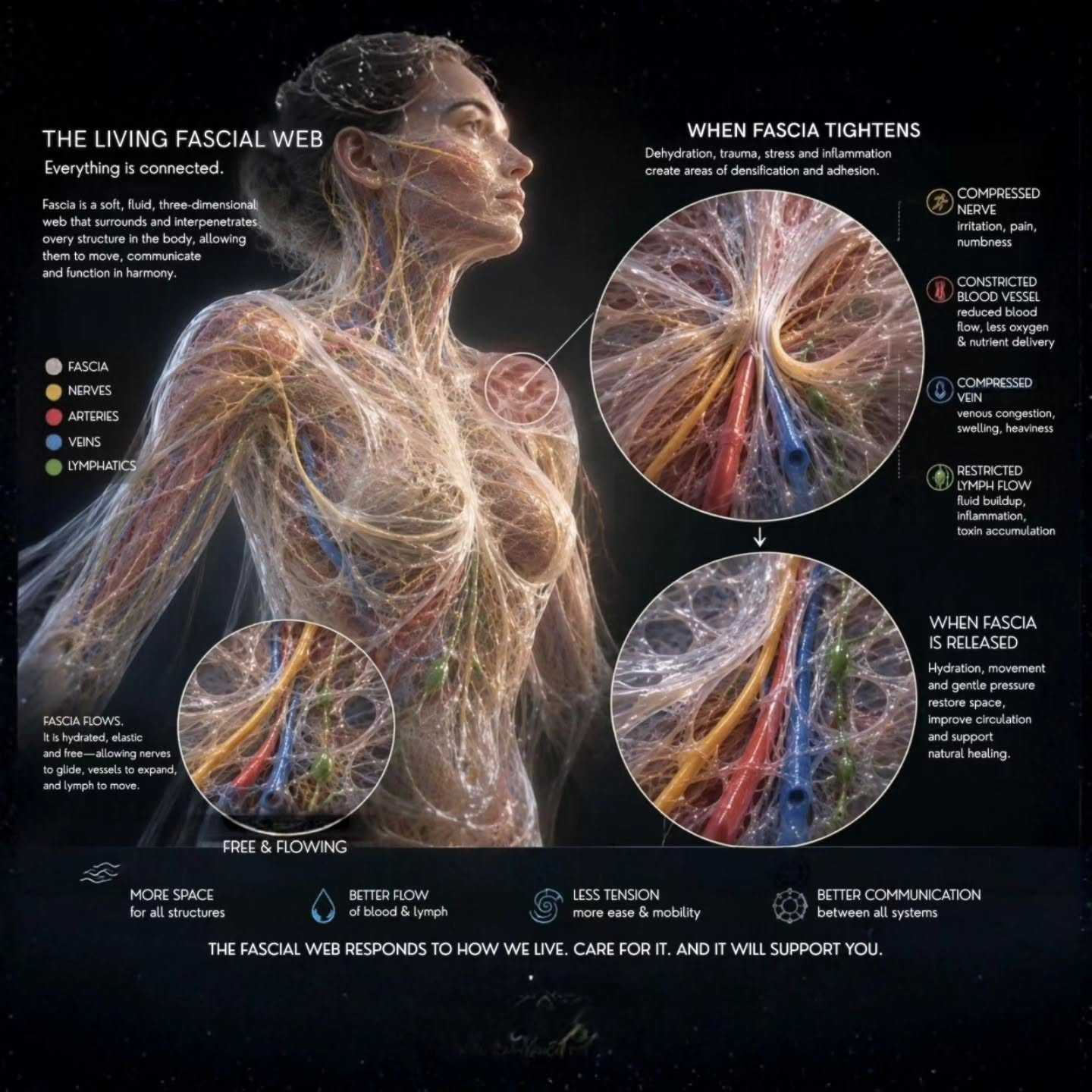
THE LIVING FASCIAL WEB: RETHINKING EVERYTHING WE KNOW ABOUT PAIN
For decades, we’ve understood the human body as a mechanical system of bones, muscles, tendons & joints, operating like levers & pulleys.
But emerging fascia research is transforming how we understand the human body & the experience of pain.
Fascia isn’t simply a layer surrounding our muscles & organs. It’s an intricate, continuous, three-dimensional web of connective tissue, like an incredibly fine spiderweb, that penetrates & interweaves throughout our muscles, organs and other structures.
Our nerves, blood vessels & lymphatic structures are embedded within this living network.
Nothing operates in isolation. Everything is connected.
When fascia tightens, thickens, becomes less hydrated or loses its ability to glide, it can place pressure on surrounding structures, including nerves, blood vessels & lymphatic pathways.
Fascial constriction contributes to pain, stiffness, achiness & reduced mobility. It can also affect circulation, fluid movement & how tissues communicate & function together.
When someone tells me they have a pinched nerve or a strained muscle, I encourage them to consider the bigger picture.
What if the pain isn’t simply about the muscle or nerve, but also about the connective tissue environment in which it exists?
Pain that moves, fluctuates or comes & goes can involve fascial restrictions. These changing patterns are worth exploring rather than simply focusing on the location of pain.
Here’s what fascinates me most.
Fascia doesn’t just respond to movement & physical injury. It also responds to stress, inflammation & the physiological changes associated with our emotional experiences.
We are beginning to appreciate just how interconnected our physical structures, nervous system & lived experiences really are.
Perhaps the greatest shift is moving away from seeing the body as a collection of separate parts & understanding it instead as one living, responsive, totally interconnected system.
We need to move beyond simply asking where does it hurt? & become curious about why is the whole system responding?
That’s where a new understanding of pain begins.
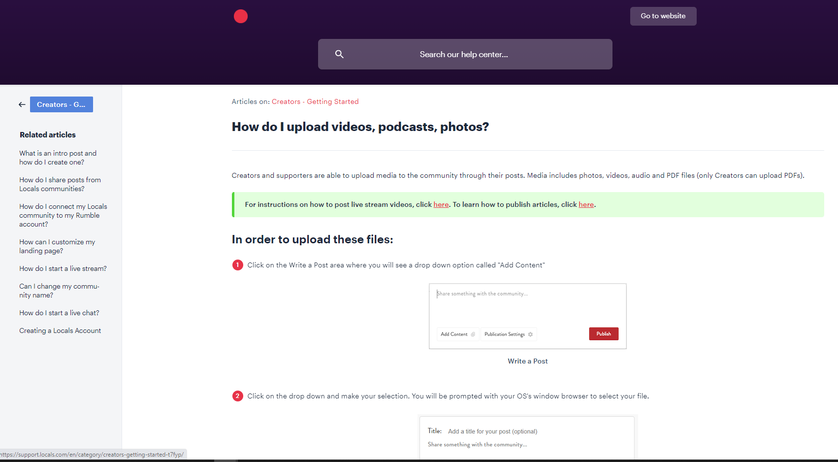
How to Use Locals Frequently Asked Questions and Help Topics:
https://support.locals.com/en/article/how-do-i-upload-videos-podcasts-photos-r49es4/
If you need more help contact LOCALS Support at: