






How to Use Locals Frequently Asked Questions and Help Topics:
https://support.locals.com/en/article/how-do-i-upload-videos-podcasts-photos-r49es4/
If you need more help contact LOCALS Support at:


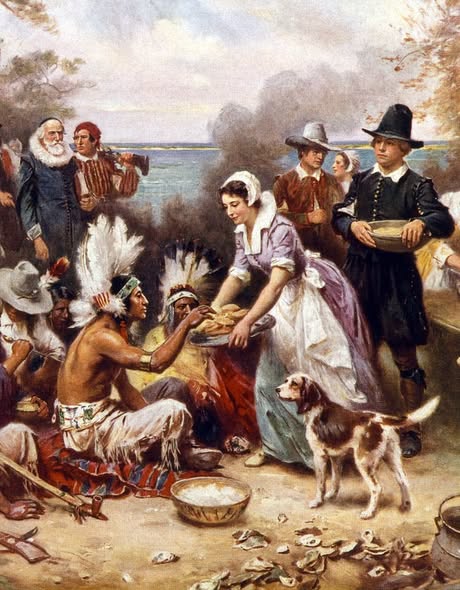
Rush Limbaugh reminded us of the REAL story of Thanksgiving... They didn't teach this in schools!
Every year on the day before Thanksgiving, Rush Limbaugh set aside time on his radio show to read what he called "The True Story of Thanksgiving." He first wrote it for his 1993 book, See, I Told You So, and he read it to his listeners for close to 30 years. Rush passed away in 2021. The story he told carries a lesson that many American classrooms still skip right past.
Most of us learned the grade-school version. The Pilgrims crossed the ocean, suffered through a terrible winter, and learned to survive with help from their Native neighbors. Then everyone sat down for a feast.
That part is true as far as it goes. Squanto did show the settlers how to plant corn and where to catch fish, and Rush always made sure to say so.
The classroom version usually stops there. It leaves out the problem that nearly finished the colony, and the way the Pilgrims fixed it.
The Pilgrims had very little money. To pay for the Mayflower voyage, they made a deal with a group of London investors. Under that deal, the colony would run as one shared company for seven years. Everything the settlers grew or made went into a common store. Each person drew food from that store no matter how hard he worked. At the end of the seven years, the land, houses, and profits would be divided up.
The first winter was brutal. About half of the Mayflower's 102 passengers died before spring.
Those who lived planted their fields together under the shared system. The harvests that followed were thin. By the spring of 1623, no supply ship had come from England, and food was running low.
William Bradford, the colony's governor, kept a detailed record of those years in his history, Of Plymouth Plantation.
The shared system, he wrote, bred "confusion and discontent." The young men "most able and fit for labor" complained that they had to "spend their time and strength to work for other men's wives and children without any recompense."
A strong man got the same ration as a weak one. Older men felt insulted to be ranked and worked alongside the youngest. Wives who were ordered to cook and wash for other men called it "a kind of slavery."
In 1623, Bradford and the colony's leaders tried something different.
They gave each family its own parcel of land and told every man to plant corn for his own household. What a family raised, it could keep. At first the land was for use only.
A year later, the colony made the division permanent.
"This had very good success," Bradford wrote, "for it made all hands very industrious, so as much more corn was planted than otherwise would have been." Women who had once said they were too weak for fieldwork "now went willingly into the field, and took their little ones with them to set corn."
Nothing else about Plymouth had changed. The people were the same, and so was the rocky New England soil.
The difference was that a family could now keep the fruit of its own work. Over the next few years, hunger gave way to surplus.
Plymouth began trading its extra corn with Native tribes for furs, and the colony's leaders eventually bought out the London investors.
Bradford said the colony's experience exposed the folly of an old idea that goes back to Plato.
That idea held that taking away private property would make a people "happy and flourishing." Bradford answered that the men who believed it acted "as if they were wiser than God." He also made clear that the failure did not come from bad people.
The Plymouth settlers were "godly and sober men." Every person carries the same human weakness, Bradford reasoned, and "God in His wisdom saw another course fitter for them."
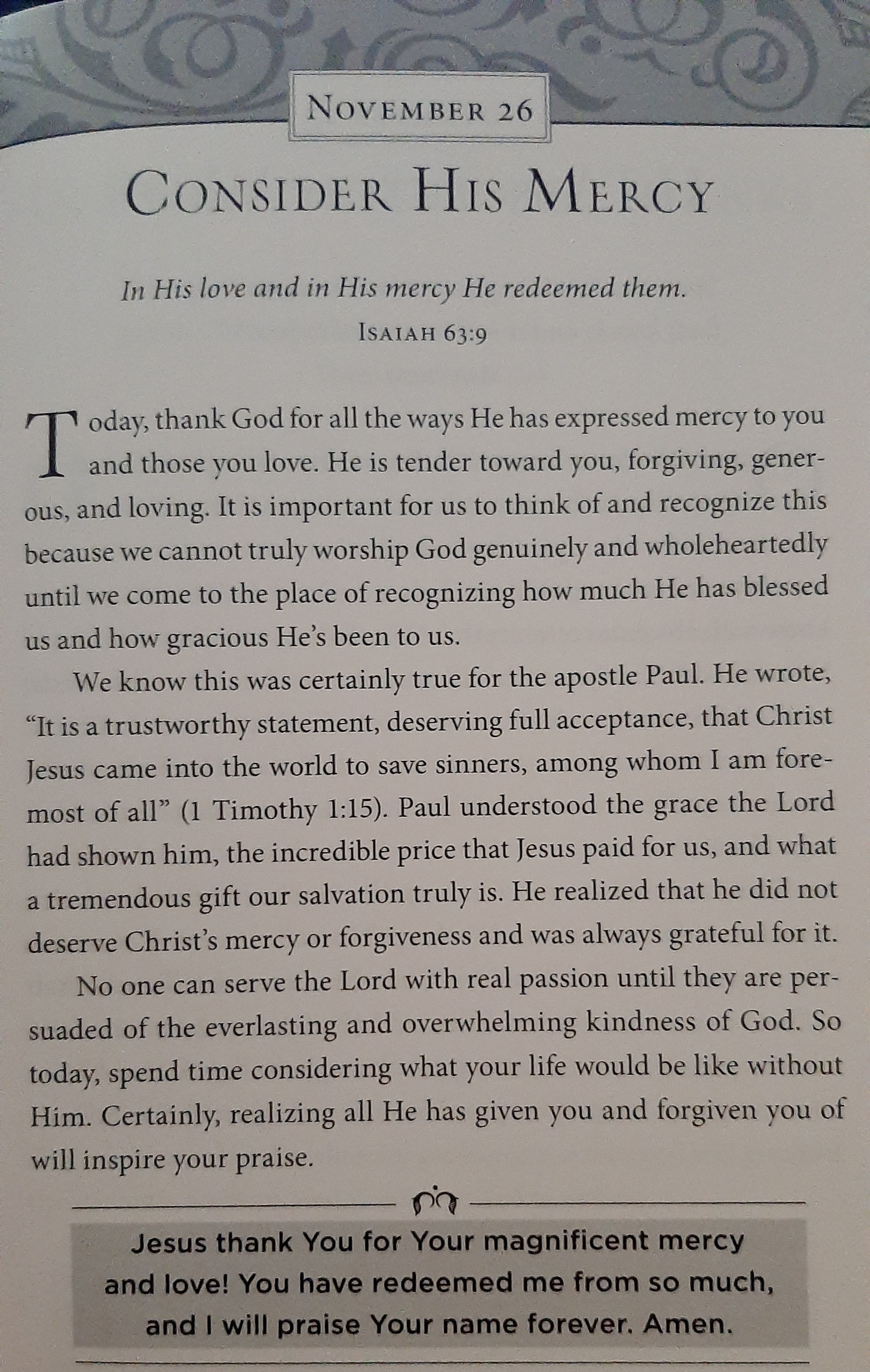
Rush always tied the story back to faith. The Pilgrims came to America to worship God freely. They gave thanks at their first harvest in 1621, even after burying half their company. Two years later, with families working their own land, they had far more to be thankful for. Rush wanted his listeners to see the gratitude to God at the center of the holiday, along with the hard lesson about human nature that made Plymouth's plenty possible.
Bradford's history sat in manuscript for more than two centuries before it was finally printed in 1856. Today anyone can read it for free. Yet too many children still come home from school with only the construction-paper version, a story about a single meal with the meaning taken out. Rush called it the part the history books never told you, and he was right to keep telling it.
The lesson has never gone out of date. Every generation hears a new pitch for some version of the common store, where planners collect what people produce and hand it back out in equal shares.
The promise always sounds fair. Plymouth tried it among people of deep faith and good character, and it nearly starved them. The colony turned around when families were trusted to work for themselves and free to trade with their neighbors.
This Thanksgiving, as families gather around full tables, the Pilgrims deserve to have their whole story told.
They thanked God when they had almost nothing.
Then they learned how a free people could build plenty, and they thanked Him again. Happy Thanksgiving to you and your family!

How to Use Locals Frequently Asked Questions and Help Topics:
https://support.locals.com/en/article/how-do-i-upload-videos-podcasts-photos-r49es4/
If you need more help contact LOCALS Support at: