




How to Use Locals Frequently Asked Questions and Help Topics:
https://support.locals.com/en/article/how-do-i-upload-videos-podcasts-photos-r49es4/
If you need more help contact LOCALS Support at:


Long before railroads crossed the Plains, before the great cattle drives and the rise of the Stockyards, one food powered life across the North American interior: pemmican.
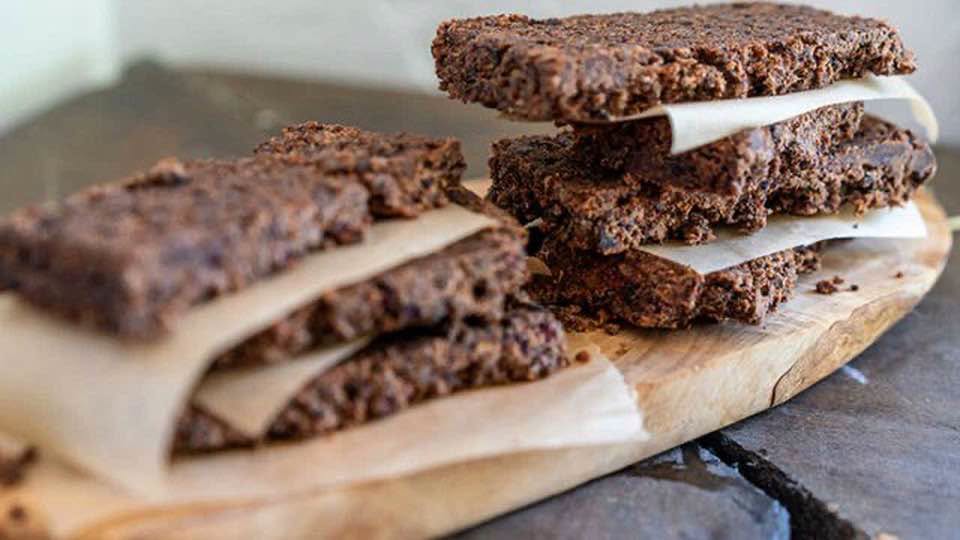
It was perfected by the Plains tribes, adopted by the Métis, and later produced on a massive scale by the fur trade companies. Lean bison meat was sliced into thin strips and dried until it became brittle. It was then crushed into a coarse powder and blended, pound for pound, with rendered bison fat. Sometimes dried saskatoon berries were added for flavor and preservation. The finished mixture was packed tightly into rawhide containers known as parfleches and sealed beneath a layer of melted tallow.
Properly stored in a cool, dry place, pemmican could last not just for months, but for years. Supplies prepared in the 1820s were still being eaten a decade later. The Hudson’s Bay Company transported it thousands of miles across the continent because there was simply nothing better for long expeditions.
By weight, pemmican was arguably the most energy-dense survival food ever developed. Roughly half fat and half protein, with virtually no carbohydrate, a single pound contained around 3,000 calories. A traveler could carry enough food for weeks in a pack scarcely larger than a loaf of bread and often finish the journey in better condition than when it began.
Lewis and Clark relied on pemmican whenever hunting failed. Voyageurs paddling the vast fur trade routes depended on it. Plains tribes stored it for the long winters, and nineteenth-century Arctic explorers packed it because almost nothing else could survive temperatures approaching forty below zero.
Then came the destruction of the bison.
Between about 1865 and 1885, an estimated 30 million bison were slaughtered by commercial hunters and through government policies that devastated the herds. A population once measured in the tens of millions was reduced to only a few hundred animals. The economy of the Plains unraveled, and with it disappeared the widespread tradition of making pemmican.
A food that had sustained people across the interior of North America for thousands of years was effectively wiped out within a single generation.
In many places it was replaced with government-issued rations built around cornmeal and refined flour. Within the generations that followed, Native communities experienced profound changes in health. Today, Type 2 diabetes rates among many Native American populations remain several times higher than the U.S. average, although researchers point to a combination of dietary change, poverty, reduced access to traditional foods, and other social and environmental factors as contributing causes.
The bison are making a slow return. North America is now home to roughly half a million animals, most living on private ranches and tribal lands.
And pemmican is returning with them.
Small producers and Indigenous communities are once again making it using traditional methods, preserving one of the oldest and most practical survival foods ever created.
It still lasts for years.
I am a retired U.S. Army Intelligence Special Agent.
James Comey Charged with Violation of Espionage Act! Comey leaked information to a reporter!
10/14/2026 - Trump said "Leakers should be shot!"
7/27/2026 - Trump posted a video on the Swamp's Armageddon that he labeled the "Midterm Meltdown" and this video (clip) addresses Comey getting Re-Indicted! (Trump reposted the same video in August 2026).
Reporters having to report about Comey getting re-indicted / charged is GLORIOUS!!!


How to Use Locals Frequently Asked Questions and Help Topics:
https://support.locals.com/en/article/how-do-i-upload-videos-podcasts-photos-r49es4/
If you need more help contact LOCALS Support at: